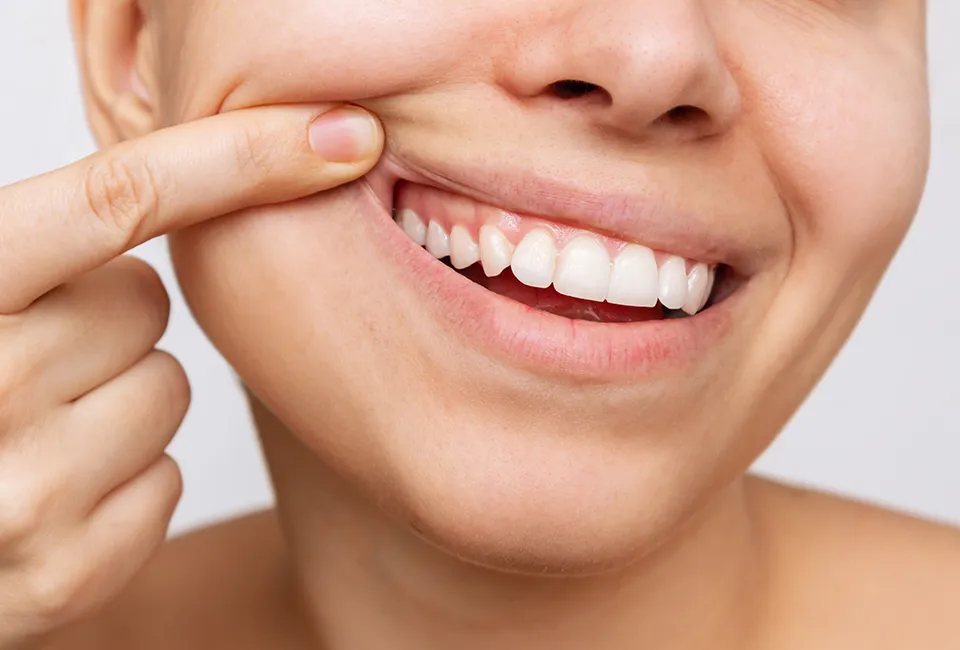

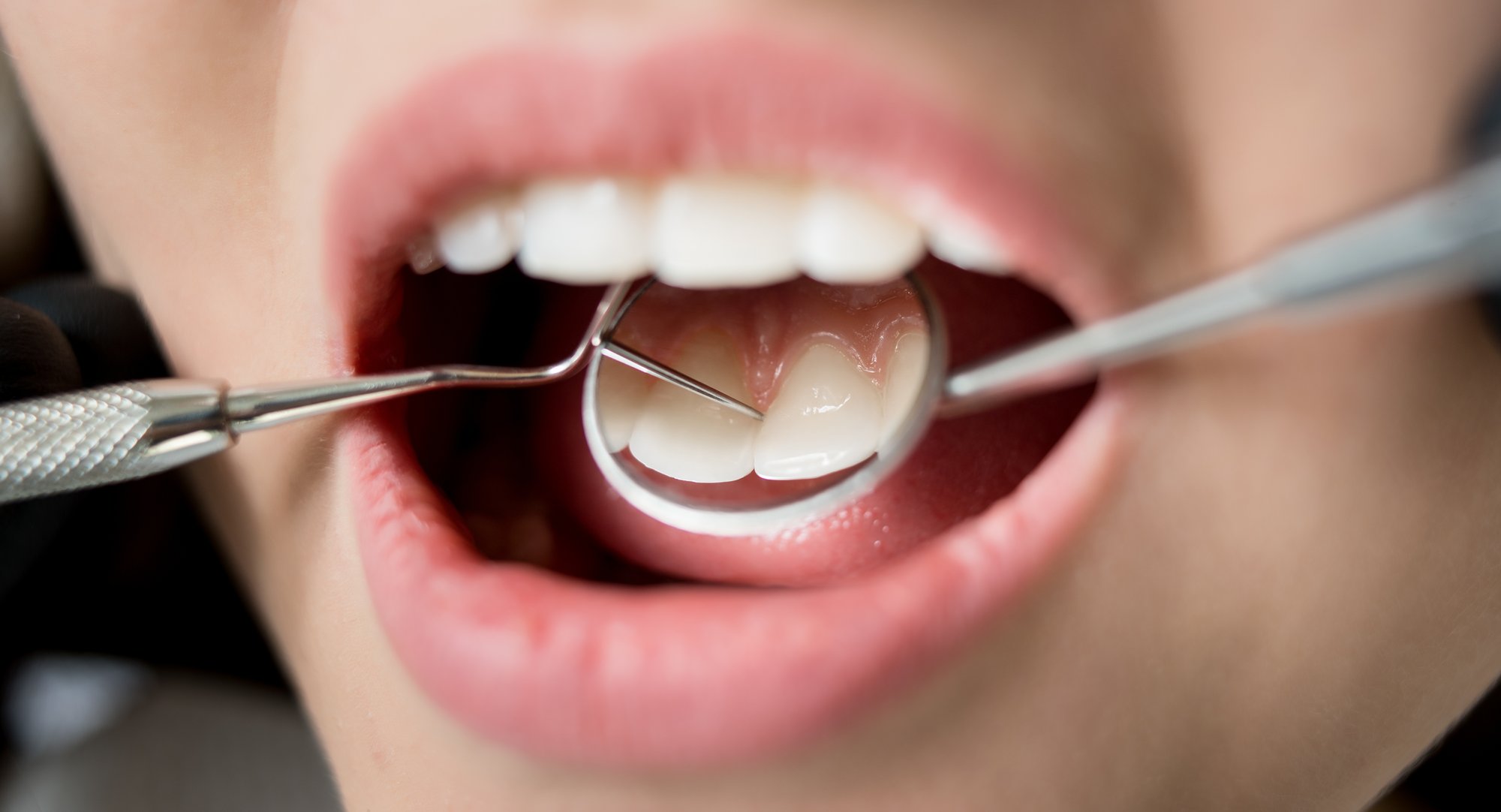
Hoping the right foods might undo early gum trouble? Diet can meaningfully help reverse the early stages of gum disease, though rarely on its own. Gingivitis, the earliest stage of gum disease, is the reversible inflammation of the gums caused by plaque. A balanced, nutrient-rich diet supports the tissue and immune response that professional periodontal gum disease treatment relies on. That teamwork appeals to anyone from Hanover to York looking to protect their smile through everyday choices.
Key Takeaways
- Early gum disease, or gingivitis, is often reversible. Diet can support that reversal alongside good care.
- Vitamin C is vital for gum tissue and collagen. A deficiency leaves gums inflamed and prone to bleeding.
- Omega-3s and vitamin D help calm inflammation. They support the body’s response to plaque bacteria.
- Sugar and refined carbohydrates feed harmful bacteria. Cutting back reduces plaque and inflammation.
- Diet supports but does not replace professional care. Our dentist treats the disease itself.
Table of contents
Can Food Really Reverse Early Gum Disease?
Diet plays a real but supporting role in gum health. As Colgate notes, foods rich in vitamin C may reduce gum inflammation. Gingivitis is caused by plaque buildup, so maintaining proper nutrition is most effective when combined with thorough brushing, flossing, and regular professional cleanings. No food alone can eliminate the bacterial plaque responsible for gum inflammation.
However, when paired with good oral hygiene, the right diet can support gum recovery. Think of nutrition as reinforcing the gains that brushing and cleanings create. The mouth heals best when good habits and good food work together. That combined approach is the realistic path to reversing early gum disease. Consistency over weeks and months is what shows results. Patience pays off as the gums respond.
Which Nutrients Support Healthy Gums?
A few nutrients stand out for gum health. Vitamin C supports collagen and strengthens the connective tissue that holds the gums firm. Omega-3 fatty acids, found in fish and flaxseed, help temper inflammation. Vitamin D and calcium support the bone that anchors the teeth. Crunchy, high-fiber fruits and vegetables also stimulate saliva, the mouth’s natural cleanser. Staying hydrated supports salivary flow, which rinses the mouth throughout the day.
Together, these nutrients give the gums the raw materials they need to recover. Lean proteins further aid tissue repair, and a varied, colorful plate tends to cover most of these bases. Whole, minimally processed foods deliver them best. Green tea and its antioxidants may offer a modest boost too.
What Foods Are Worth Limiting?
Some foods can promote healthy gums, while others can have the opposite effect. Sugar and refined carbohydrates feed the bacteria that form plaque and contribute to inflammation. Snacking frequently on these foods keeps the mouth in a nearly constant acidic state.
To support gum health, it’s important to rinse with water after meals. Sticky and starchy snacks can be particularly problematic as they tend to linger along the gumline. Choosing whole foods over processed ones steadily lowers that risk, and small, consistent swaps add up over time. Water is always the better between-meal choice. Cutting back does not mean cutting out entirely. Timing matters as much as quantity with sugary foods.
Frequently Asked Questions
Can diet alone cure gum disease?
Diet alone cannot cure gum disease. While a healthy diet can support better gum health, it does not eliminate the plaque that causes the issue. Professional dental care and proper oral hygiene are crucial. Consider nutrition as a helpful partner to brushing, flossing, and regular dental visits. Combining a good diet with daily oral care is what leads to positive results.
Which vitamin matters most for gums?
Vitamin C is among the most important for gum health. It aids collagen production and helps reduce inflammation. Citrus fruits, berries, and leafy greens are good sources. Vitamin D and omega-3 fatty acids help as well. A balanced daily intake is more effective than relying on any single food. Fresh, colorful produce is a reliable everyday source.
When should I have my gums checked?
See our periodontist if your gums bleed, swell, or stay sore. These can signal gum disease that needs professional treatment. Early attention keeps a small problem from advancing, since the sooner you evaluate it, the easier it is to reverse. A quick check offers real peace of mind.
Feeding Healthier Gums
Can your diet help reverse the early stages of gum disease? Yes, it can, especially in the case of gingivitis, when combined with diligent oral hygiene and professional periodontal treatment. Nourishing your gums with the right nutrients while limiting sugar intake gives your body a significant advantage. For lasting results, combine these smart dietary choices with consistent dental care. Small, steady decisions can protect your smile over time. With this approach, achieving healthier gums becomes a realistic and attainable goal. Each positive choice contributes to stronger, healthier gum tissue.
- If you want to learn more about diet and early gum disease, visit our Periodontal Gum Disease Treatment in Hanover and York, PA, page to schedule a consultation.
This article is for general education and is not a substitute for a personal evaluation. Every patient’s needs are different.
Questions about your own gum or implant health?
Schedule a consultation with Dr. Sourvanos in York or Hanover.