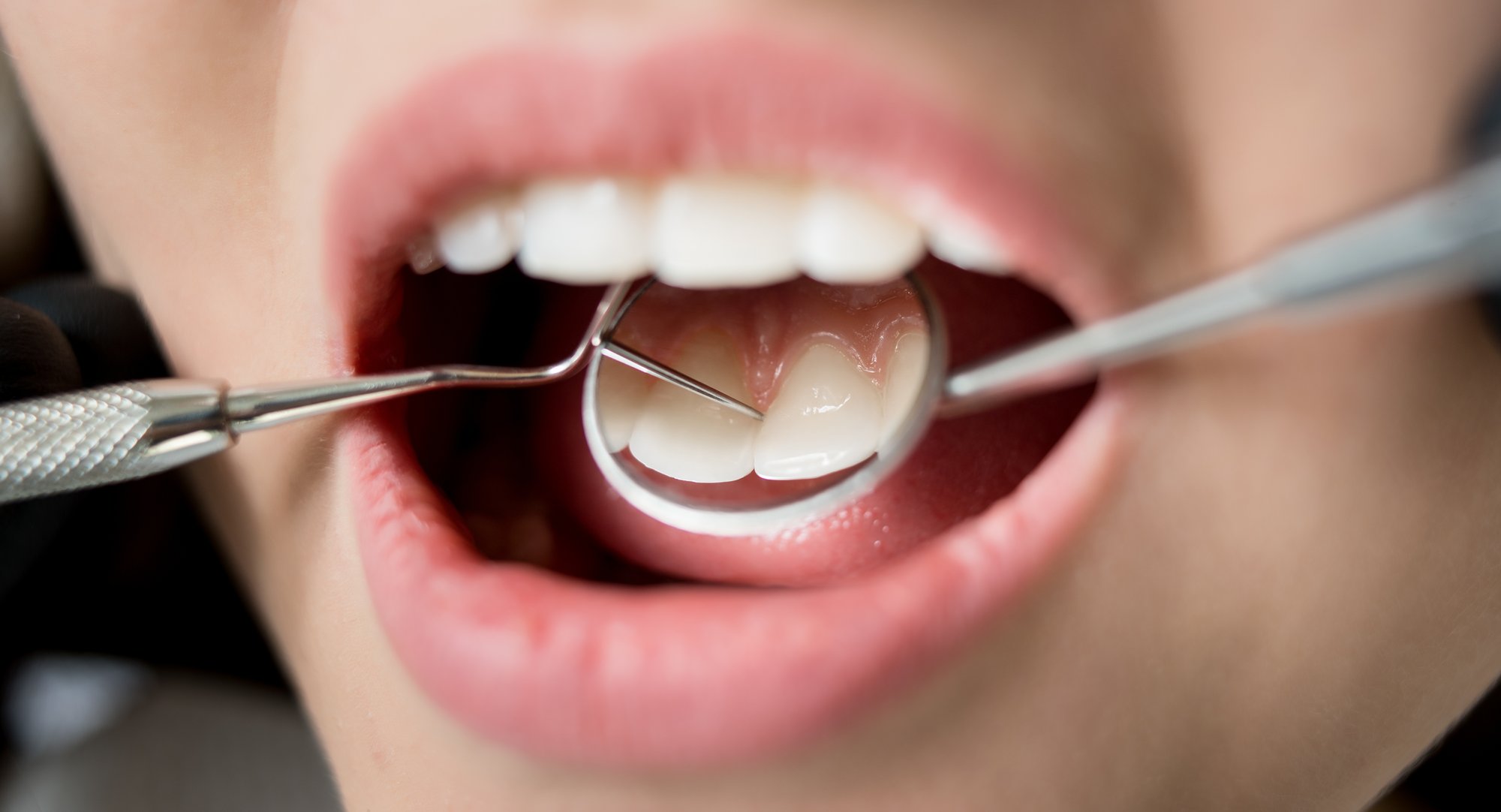

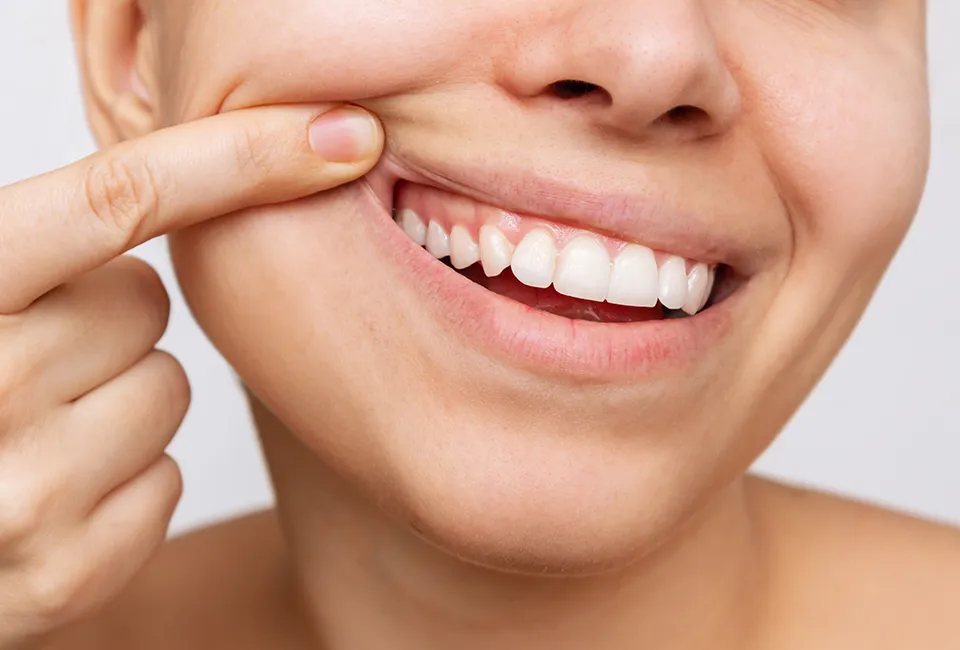
Ever wondered whether the red glow used during your periodontal gum disease treatment is the same red light therapy people use at home for skincare or muscle recovery? The short answer is yes and no. Both use similar wavelengths of visible red and near-infrared light, but how the light is delivered inside the mouth (and the clinical outcomes it can influence) is a world apart from a wellness device you shine on your face. Understanding that distinction matters for anyone considering photobiomodulation as part of professional periodontal care.
Key Takeaways
- Photobiomodulation (PBM), formerly called low-level laser therapy, is the clinical technique behind what many people know as red light therapy.
- In periodontal care, PBM is delivered at very specific wavelengths, doses, and durations, usually with a targeted low-level laser or fiber-optic tip.
- Research suggests PBM can support periodontal healing when used alongside specific treatments, particularly for pain relief, reduced inflammation, and improved wound healing outcomes.
- Wavelengths in the red (around 660 nm) and near-infrared (around 808 nm) range interact with tissue at different depths.
- PBM is an adjunct to periodontal therapy, not a stand-alone replacement for care that you would typically already be receiving.
Table of contents
What Exactly Is Photobiomodulation?
Photobiomodulation, previously known as low-level laser therapy (LLLT), uses low-power red or near-infrared light to trigger changes at the cellular level. When mitochondria in gum tissue absorb it, the light appears to boost cellular energy, reduce inflammation, and support wound healing. This is analogous to turning on the cellular engines that create power. The general concept is the same whether the target is a periodontal pocket, after a tissue graft, or a sore muscle. What differs in a clinical setting is precision. Wavelength, power, dose, and delivery are all calibrated to a specific tissue and a specific outcome.
Does the Wavelength Really Matter?
Yes. Different wavelengths interact with tissue at different depths. Red light around 660 nm tends to be absorbed closer to the surface, making it useful for the outer layers of the gum. Near-infrared light around 808 nm penetrates further, reaching deeper connective tissue and bone that support the teeth and implants. Studies comparing red and infrared applications on human gingival fibroblasts (the cells that build gum tissue) have shown that both wavelengths influence cell viability and inflammation, but through slightly different biological pathways. In practice, one or both may be used depending on what the treatment is trying to accomplish.
What Should You Ask Before Trying It?
When a dental professional recommends PBM as part of periodontal care, it’s worth asking a few practical questions. What wavelength and power setting will be used? How many sessions are planned, and what is the goal? Is this being used alongside a specific procedure, or on its own? A clinician using photobiomodulation as part of evidence-based care should be able to answer each of those directly. Wellness devices marketed for at-home use aren’t designed for periodontal tissue and shouldn’t replace care recommended by a periodontist.
Frequently Asked Questions
Is red light therapy safe during periodontal treatment?
At low-level clinical parameters, photobiomodulation has an excellent safety profile. It doesn’t cut, heat, or damage tissue, and it doesn’t carry the risks associated with high-power surgical lasers. The most commonly reported side effects are mild and short-lived, like temporary sensitivity at the treatment site.
Will insurance cover photobiomodulation for gum disease?
Coverage varies widely, and PBM is often billed as an adjunctive procedure that may or may not fall under standard periodontal benefits. A quick conversation with the front-office team ahead of treatment can clarify what a specific plan covers.
Same Science, Very Different Applications
Red light therapy and photobiomodulation share the same underlying biology, but using PBM to treat periodontal gum disease is a far cry from a wellness panel purchased online. Precision, dosing, and integration with professional periodontal care are what turn a general concept into a clinical outcome.
If you’d like to learn more about how photobiomodulation is being used in periodontal gum disease treatment, our periodontists in Hanover and York, PA, can walk you through the options. Contact our Hanover or York office to schedule a consultation.
Sources
Content reviewed and approved by Dr. Sourvanos to ensure clinical accuracy and alignment with current evidence-based standards.
Ebrahimi, P., Hadilou, M., Naserneysari, F., Dolatabadi, A., Tarzemany, R., Vahed, N., Nikniaz, L., Fekrazad, R., & Gholami, L. (2021). Effect of photobiomodulation in secondary intention gingival wound healing: A systematic review and meta-analysis. BMC Oral Health, 21(1). https://doi.org/10.1186/s12903-021-01611-2
This article is for general education and is not a substitute for a personal evaluation. Every patient’s needs are different.
Questions about your own gum or implant health?
Schedule a consultation with Dr. Sourvanos in York or Hanover.