Once your dental implants are in place, how often should you actually see a periodontist to keep them healthy? The honest answer is that it isn’t a one-and-done process. The American Academy of Periodontology recommends periodic follow-up visits designed specifically to monitor the implant, the surrounding gum tissue, and the bone that supports the restoration. Skipping those visits is one of the leading contributors to peri-implant complications and, over time, implant loss. Understanding what a healthy schedule actually looks like is a big part of protecting the investment you’ve made in dental implants.
Key Takeaways
- After getting dental implants, ongoing periodontal follow-up is essential for long-term success.
- The AAP recommends periodic implant follow-up visits scheduled through a coordinated plan between a periodontist and general dentist.
- Risk factors like a history of gum disease, smoking, or diabetes typically shorten the interval between visits.
- Peri-implant mucositis is a common biological complication that develops silently and is much easier to catch and reverse during routine monitoring. If left untreated, this can transition to peri-implantitis, which is related to permanent damage.
- Research shows that patients enrolled in supportive peri-implant care are significantly less likely to develop peri-implantitis than those who aren’t.
Table of contents
- Key Takeaways
- Why Dental Implants Need Their Own Maintenance Schedule
- What Does the AAP Recommend?
- How Often Should You See a Periodontist After Getting Dental Implants If You Have Risk Factors?
- What Actually Happens at a Peri-Implant Maintenance Visit?
- What Happens If You Skip Peri-Implant Maintenance?
- How to Know If You’re on the Right Schedule
- A Small Time Commitment for a Long-Term Result
- Sources
Why Dental Implants Need Their Own Maintenance Schedule
Dental implants don’t get cavities like natural teeth, but they can develop a bacterial-driven disease around the surrounding bone and gum tissue called peri-implantitis. Left unchecked, that disease can result in bone loss and eventual implant failure. Unlike a natural tooth, an implant lacks a periodontal ligament and much of the nerve feedback that would normally signal a problem early. In practice, that means routine monitoring by a specialist is often how peri-implant disease is caught early enough to treat.
What Does the AAP Recommend?
The AAP recommends that after receiving an implant, patients follow a periodic follow-up schedule developed together by their periodontist and general dentist. These visits monitor the implant, the surrounding gum tissue, and adjacent teeth for signs of trouble. Intervals are individualized, but many implant patients are placed on a three- to four-month recall, especially in the first years after placement. Research consistently supports shorter intervals for patients with additional risk factors.
How Often Should You See a Periodontist After Getting Dental Implants If You Have Risk Factors?
Risk-based scheduling is the norm in contemporary periodontal care. Patients with a history of periodontitis, active smokers, and those with poorly controlled diabetes typically fall into the higher-risk category and benefit from more frequent visits, often every three months. Patients who are otherwise healthy and have stable tissue around their implants may eventually move to a longer interval based on clinical findings, though usually not longer than six months. The frequency isn’t a fixed rule so much as an ongoing evaluation.
What Actually Happens at a Peri-Implant Maintenance Visit?
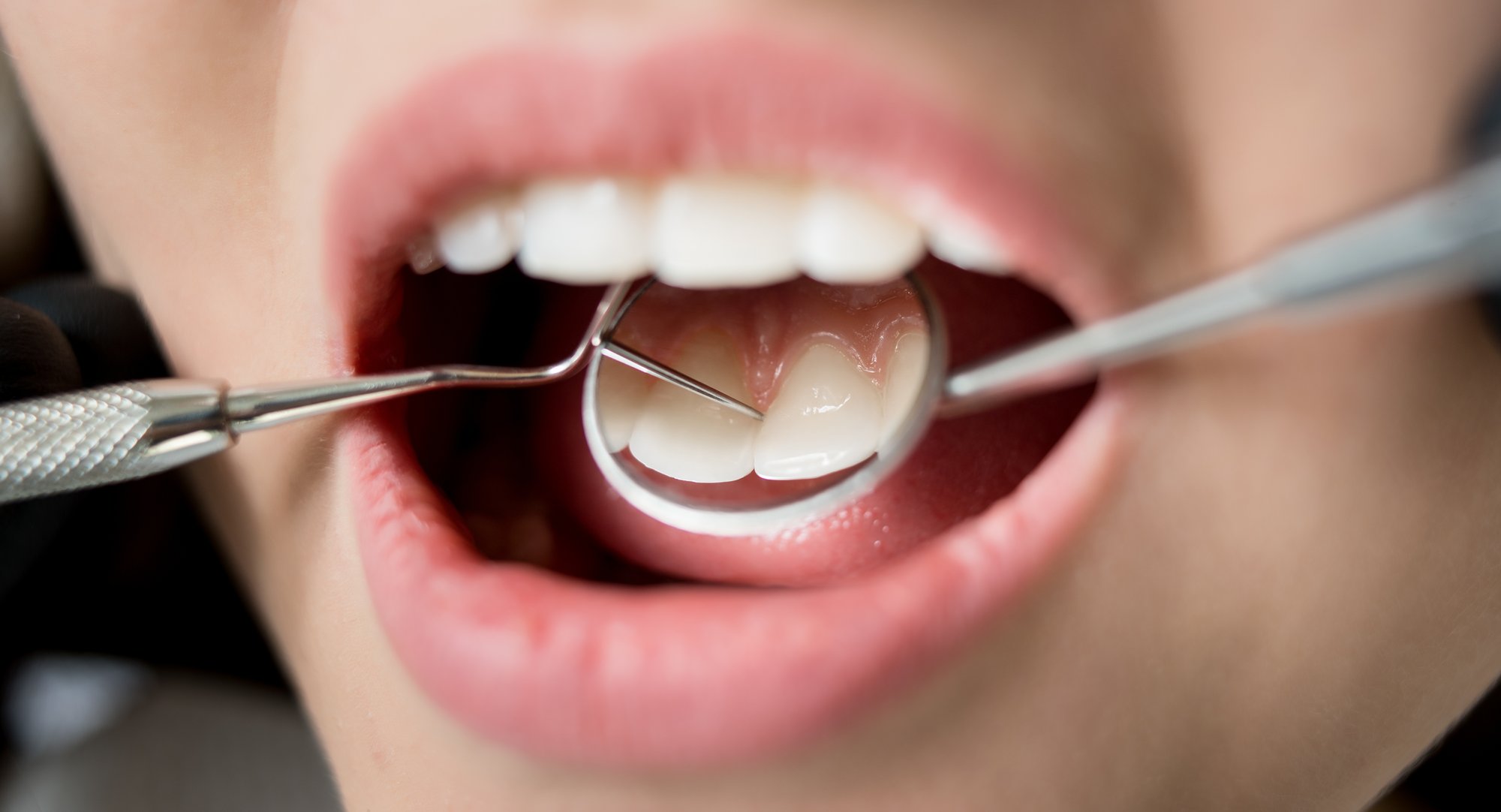
A supportive peri-implant appointment looks similar to a periodontal maintenance appointment for natural teeth, but the exam is tailored to the implant. The provider carefully measures probing depths around each implant, documents bleeding on probing, and compares radiographs to baseline images taken at the time of restoration. Professional cleaning is performed with instruments and polishing methods designed to be gentle on implant surfaces. The team addresses early signs of soft-tissue inflammation, called peri-implant mucositis, before they progress to bone loss.
What Happens If You Skip Peri-Implant Maintenance?
The research is fairly detailed on this point. Longitudinal studies have found that a substantial percentage of patients diagnosed with early peri-implant mucositis progressed to full peri-implantitis when they weren’t enrolled in supportive care. Patients who stuck with regular visits were far less likely to develop inflammation into bone loss. Skipping visits doesn’t just delay a cleaning; it closes the window when small problems can still be treated conservatively.
How to Know If You’re on the Right Schedule
The best indicator that a maintenance schedule is working is stable clinical findings over time: no bleeding on probing, unchanged pocket depths, no radiographic bone loss around the implant. If any of those change between visits, the interval likely needs to shorten, or a more targeted evaluation may be needed. Patients should feel comfortable asking at each appointment what the exam showed, since transparent monitoring is a big part of what makes peri-implant care effective.
A Small Time Commitment for a Long-Term Result
Consistent follow-up after getting dental implants is the most predictable way to catch issues early and protect your investment. The AAP frames it as an ongoing partnership rather than a one-time visit, and the research on peri-implant maintenance supports that framing directly.
If you’d like to learn more about long-term care for your dental implants, our periodontist in York and Hanover, PA, can build a follow-up schedule tailored to your needs. Contact our York or Hanover office to schedule a consultation.
Sources
Content reviewed and approved by Dr. Sourvanos to ensure clinical accuracy and alignment with current evidence-based standards.
American Academy of Periodontology. (2022). Dental Implant Procedures. https://www.perio.org/for-patients/periodontal-treatments-and-procedures/dental-implant-procedures/
This article is for general education and is not a substitute for a personal evaluation. Every patient’s needs are different.
Questions about your own gum or implant health?
Schedule a consultation with Dr. Sourvanos in York or Hanover.