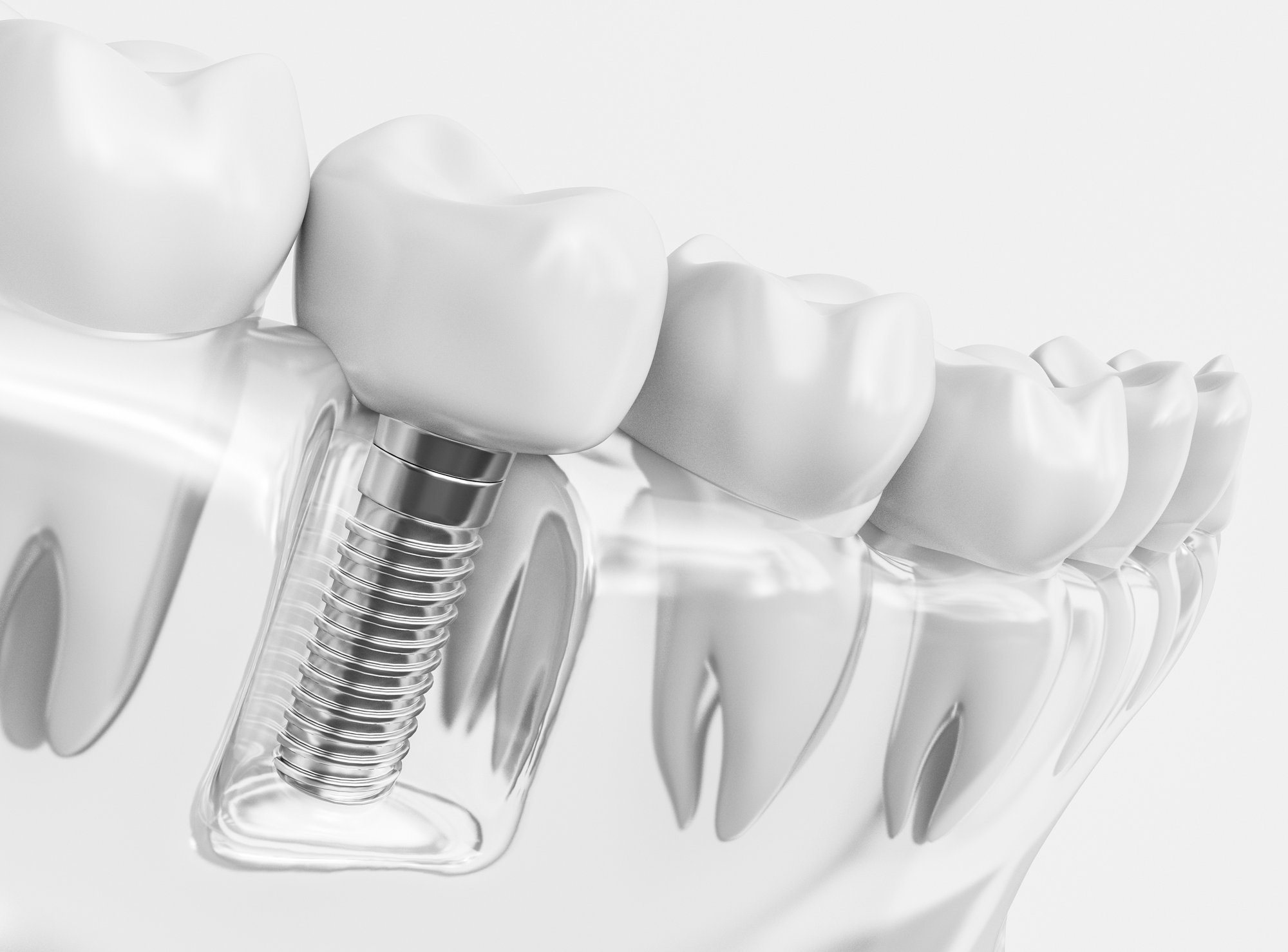
Curious how new light-based technology is changing implant care? Photobiomodulation is being studied as a way of improving titanium implant stability during the critical healing window. Photobiomodulation, also called low-level laser therapy, is a non-thermal treatment that uses light to stimulate cellular activity. Applied around dental implants, it aims to encourage the bone integration that keeps an implant secure over the long term. For anyone weighing dental implants in York and Hanover, PA, this option adds useful context to the conversation.
Key Takeaways
- Photobiomodulation uses low-level light to stimulate healing cells. It is applied as a supportive therapy around implants.
- The goal is stronger osseointegration, the fusion of bone to the implant. That fusion is what gives an implant its stability.
- Research suggests it may improve bone density and early stability. The findings are promising though not yet uniform.
- It is non-invasive, non-thermal, and painless. Sessions add little burden to treatment.
- It complements, rather than replaces, sound implant technique. Our dentist can explain its role in your plan.
Table of contents
How Does Photobiomodulation Support Implant Stability?
Implant success depends on osseointegration, the process by which bone grows against and bonds to the implant surface. A systematic review published in PMC examined how photobiomodulation influences that process, noting advances in photonic technology and a better understanding of light-tissue interactions.
The therapy is thought to act at the cellular level, where absorbed light energizes cellular engines (the mitochondria) and stimulates bone-forming cells. In several measures, such as bone density and certain stability readings, treated implants performed favorably.
The same review observed that outcomes vary, since the field lacks consensus on the ideal treatment protocol. Because the effect is biological rather than mechanical, the therapy supports the body’s own healing rather than forcing it. The underlying science of light-tissue interaction is well established and used widely across medicine. In practice, it is delivered in brief, comfortable sessions woven into the treatment timeline.
What Does the Research Actually Show?
The evidence is encouraging but still maturing. Some studies report improved early stability and bone density with photobiomodulation, while others find results comparable to standard care. Differences in laser wavelength, dosage, and timing help explain the mixed picture. What the literature agrees on is safety, since the therapy is non-invasive and well tolerated.
For now, it is best understood as a promising adjunct rather than a guaranteed enhancement. Larger, standardized trials will help clarify exactly when and how much it helps. Differences in study design also make direct comparisons difficult, so clinicians weigh the option case by case. Even so, the overall direction of the findings is consistently positive. That alone gives researchers reason to keep studying it closely.
Who Might Benefit Most?
The potential appeal is greatest where healing is a concern. Patients with lower bone density or slower healing may see the clearest theoretical advantage from added cellular stimulation. It may also interest those hoping to shorten the interval before an implant is fully loaded. Our dentist can assess if photobiomodulation fits your health, your anatomy, and your treatment goals.
For some, conventional protocols already deliver excellent results on their own. For the right candidate, though, the potential upside is genuinely worthwhile. That kind of tailored planning is the hallmark of good care. The conversation is worth having even when the answer is simply to proceed with proven methods, and the decision is best made after a careful review of your history.
Frequently Asked Questions
Is photobiomodulation painful?
No, the therapy is painless and non-invasive. It uses low-level light rather than heat or incisions. Most people feel nothing at all during a session. There is also no recovery time afterward.
Does it replace good implant technique?
No, it is a supportive add-on treatment, rather than a substitute. Careful planning, precise placement, and healthy healing remain the foundation of implant success. Photobiomodulation simply aims to support that process.
Is the treatment proven to work?
Research is promising but not yet conclusive. Several studies show benefits to stability and bone density, while others show comparable results. Our dentist can explain what the current evidence means for you. That transparency is part of responsible care.
A Promising Tool in Modern Implant Care
Photobiomodulation reflects how light-based science is refining the pursuit of titanium implant stability. As an adjunct to skilled surgery and thoughtful planning, it may help support the bone integration that dental implants rely on. The research is still evolving, so a candid discussion of its benefits and limits is the wisest starting point. A consultation is the clearest way to learn if it has a place in your care. You come away with a better understanding of the choice regardless of the outcome. Implant dentistry keeps improving as science like this matures.
- If you want to learn more about photobiomodulation and implant stability, visit our Dental Implants in York and Hanover, PA, page to schedule a consultation.
This article is for general education and is not a substitute for a personal evaluation. Every patient’s needs are different.
Questions about your own gum or implant health?
Schedule a consultation with Dr. Sourvanos in York or Hanover.