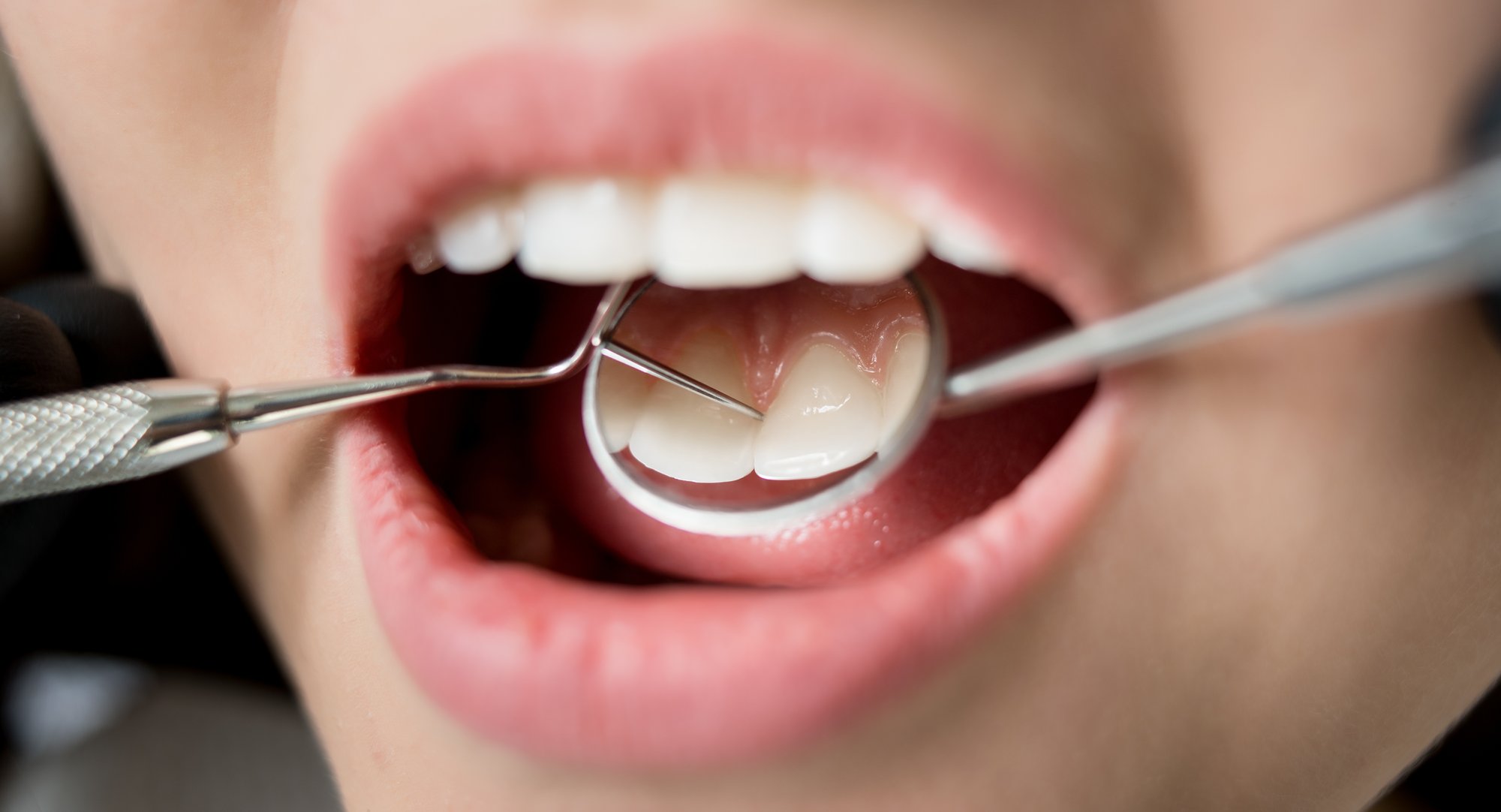


Reaching for mouthwash again and still not feeling fresh? Chronic bad breath rarely comes from a lack of rinsing, which is why mouthwash so often falls short. Chronic bad breath, or halitosis, is persistent mouth odor that does not resolve with routine brushing and rinsing. Because it usually signals an underlying issue, lasting bad breath solutions begin with identifying the real source. That distinction matters to anyone from Hanover to York who wants a true fix rather than a cover-up.
Key Takeaways
- Chronic bad breath usually points to an underlying cause. Mouthwash masks the odor without addressing it.
- Gum disease is the leading dental source. Bacteria in gum pockets release foul sulfur compounds.
- Dry mouth and tongue bacteria are common culprits. Both let odor-causing bacteria flourish.
- Tonsil stones and certain health conditions also contribute. These call for more targeted care.
- Real relief comes from treating the source. Our dentist can identify it and recommend a plan.
Table of contents
Why Doesn’t Mouthwash Solve the Problem?
Mouthwash can freshen breath for a short time, but it rarely reaches the underlying cause. A recent definition from the Cleveland Clinic explains that halitosis can stem from dry mouth, gum disease, tonsil stones, or conditions elsewhere in the body, and treatment depends on the specific cause. Rinsing simply overlays a pleasant scent while the source continues to produce odor.
Once the rinse fades, the smell returns as before. Many rinses also contain alcohol, which can dry the mouth and, over time, make odor worse. That is why chronic cases call for diagnosis rather than a stronger rinse, an approach that treats the cause instead of competing with it. The result is fresher breath that actually lasts. It is a far more dependable route than reaching for another bottle. Understanding this is the first real step toward relief.
The Top Five Causes of Persistent Bad Breath
Most stubborn breath odor traces back to a handful of specific sources. Recognizing which one is at work points you toward an effective solution and away from temporary fixes. Some are strictly dental, while others reflect what is happening elsewhere in the body. Working through them one by one is the fastest way to real answers.
1. Gum Disease
Bacteria collecting in periodontal pockets release volatile sulfur compounds with a distinct odor. Because early gum disease is often painless, a change in breath may be the first noticeable sign. Treating the underlying disease is what finally clears the odor for good. A professional cleaning is often the turning point. Persistent odor should never simply be ignored.
2. Dry Mouth
Saliva continually rinses away bacteria and food debris, so reduced flow lets odor build. Medications, mouth breathing, and dehydration are frequent contributors. Sipping water throughout the day and stimulating saliva can bring noticeable improvement.
3. Tongue Bacteria
The top surface of the tongue traps bacteria and debris toward the back. Without regular gentle tongue cleaning, that coating becomes a persistent odor source. A tongue scraper used daily makes a surprising difference. Reaching the very back of the tongue matters most.
4. Tonsil Stones
Trapped debris can harden in the tonsils into small, foul-smelling deposits. They often go unnoticed yet produce a noticeably unpleasant odor. Gentle removal and steady hydration usually keep them from coming back. Our team can confirm if they are the cause.
5. Underlying Health Conditions
Acid reflux, sinus infections, and diabetes can each generate distinctive breath odors. These cases call for care that reaches beyond the dental chair. Addressing the root condition can resolve the breath issue.
How Are the Real Causes Treated?
Since the underlying causes of bad breath (halitosis) vary, the remedies also differ. Gum disease responds to professional cleaning and periodontal care, while dry mouth improves with hydration and saliva support. Tongue cleaning and treatment of tonsil stones address two frequently overlooked causes. When the cause lies outside the mouth, you may need coordination with a physician.
The right plan depends on the diagnosis, not guesswork. Lasting bad breath solutions always begin with an accurate diagnosis from our dentist, and once we manage the cause, results tend to last. In many cases, the improvement is dramatic once the true source is handled. Patients are often surprised how quickly the problem fades.
Fresh Breath That Lasts
Chronic bad breath is a signal worth heeding, not masking. Identifying if the cause is gum disease, dry mouth, or something else entirely is the path to real bad breath solutions. With the source properly treated, fresh breath becomes the natural result, not a fleeting one. A brief evaluation is the surest first step toward a confident, lasting fix. Fresh breath then follows naturally from a healthy mouth. A little diagnosis goes a long way, and real relief is the reward. Treating the cause is always worth the effort.
- If you want to learn more about lasting relief for chronic bad breath, visit our Bad Breath Solutions in Hanover and York, PA, page to schedule a consultation.
This article is for general education and is not a substitute for a personal evaluation. Every patient’s needs are different.
Questions about your own gum or implant health?
Schedule a consultation with Dr. Sourvanos in York or Hanover.